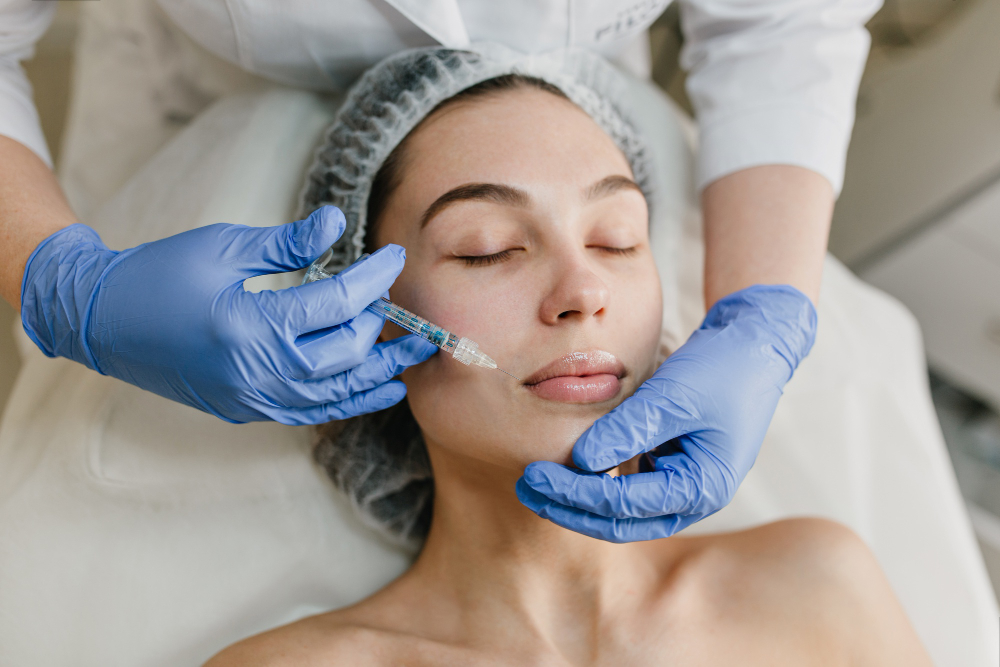
What is Botox?
Botox is a popular treatment used to reduce wrinkles and fine lines. It is made from a purified protein called botulinum toxin. Many people choose Botox for cosmetic reasons, but it also has medical uses. In fact, doctors use Botox to treat muscle spasms, migraines, and other conditions. Because of its wide use, Botox has become a common topic in beauty and health discussions.
Common Myths About Botox
Many myths surround Botox. However, not all of them are true. Let’s look at some common myths and the facts behind them:
Medical Facts About Botox
Now, let’s look at what science says about Botox. According to the U.S. Food and Drug Administration (FDA), Botox is approved for both cosmetic and medical uses. The World Health Organization (WHO) also lists Botox as a safe medicine when used correctly. Studies in medical journals show that Botox can reduce wrinkles for three to six months. Additionally, Botox is used to treat migraines, muscle stiffness, and excessive sweating. Most people report mild side effects, such as redness or swelling at the injection site. Serious side effects are rare when a certified provider gives the treatment.
How Botox Works: The Science Explained
Botox works by blocking nerve signals to certain muscles. As a result, these muscles relax and do not contract as much. This smooths out wrinkles and lines on the skin. For medical uses, Botox can help relax muscles that cause pain or spasms. Because the effect is temporary, repeat treatments are needed to maintain results.
Safety, Side Effects, and Risks
When given by a trained provider, Botox is considered safe. However, like any treatment, it can have side effects. Common side effects include:
Rarely, people may have more serious reactions, such as drooping eyelids or trouble swallowing. But these are uncommon. To reduce risks, always choose a certified provider. The Centers for Disease Control and Prevention (CDC) and FDA both stress the importance of proper training for anyone giving Botox.
Who Should Consider Botox?
Botox may be a good choice for adults who want to reduce wrinkles or treat certain medical conditions. However, it is not for everyone. You should avoid Botox if you:
Before starting treatment, talk to your doctor about your health history. This helps ensure Botox is safe for you.
Frequently Asked Questions About Botox
Conclusion and Next Steps
In summary, Botox is a safe and effective treatment when used by trained professionals. While myths about Botox are common, medical facts show it can help with both cosmetic and health issues. If you are thinking about Botox, always consult a certified cosmetologist or healthcare provider for personalized advice about Botox.