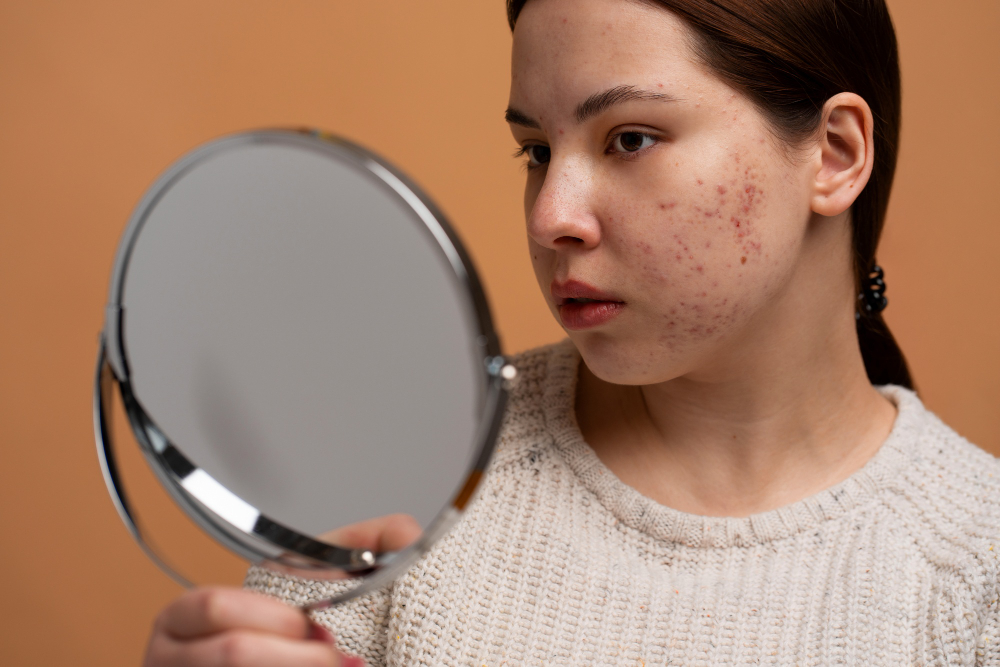
Acne is a common skin problem that affects people of all ages. Many want to know about the best acne treatments and how to treat acne at home. Understanding your acne treatment options can help you find the right solution for your skin. This guide covers everything from simple creams to advanced acne therapy, so you can make informed choices.
What Is Acne?
Acne is a skin condition that causes pimples, blackheads, and whiteheads. It often appears on the face, back, and chest. While acne is most common in teenagers, adults can get it too. Because acne can affect self-esteem, finding the right treatment is important.
Causes of Acne
Several factors can lead to acne. For example, your skin makes oil to protect itself. But sometimes, too much oil mixes with dead skin cells and clogs pores. Bacteria can then grow, causing redness and swelling. In addition, hormones, stress, and certain foods may make acne worse.
Topical Treatments for Acne
Many people start with topical treatments for acne. These are creams, gels, or lotions you put directly on your skin. They can help clear mild to moderate acne. Some are available over the counter, while others need a prescription.
However, some people may notice dryness or irritation. If this happens, try using the product every other day or talk to your doctor.
Oral Medications for Acne
For more severe acne, doctors may suggest oral medications. These work from the inside to reduce breakouts. Because they can have side effects, it is important to use them under medical guidance.
Always follow your doctor’s advice when taking these medicines. In some cases, regular check-ups are needed to watch for side effects.
Advanced Acne Treatments
Sometimes, topical and oral treatments are not enough. In these cases, advanced acne therapy may help. These treatments are usually done by a dermatologist. They can target stubborn acne and improve skin texture.
Because these treatments can be costly, talk to your dermatologist about what is best for you.
Lifestyle Tips for Managing Acne
Along with medical treatments, healthy habits can help manage acne. For instance, gentle skin care and stress control may reduce breakouts. Here are some tips:
Prevention Strategies
While not all acne can be prevented, some steps may lower your risk. For example, keeping your skin clean and avoiding harsh products can help. Try these prevention strategies:
When to See a Dermatologist
If your acne does not improve with home care, it may be time to see a dermatologist. Also, if you have painful cysts or scarring, professional help is important. A dermatologist can offer advanced acne treatments and create a plan just for you.
Conclusion
Acne can be frustrating, but many treatment options are available. From topicals to advanced acne therapy, you can find a solution that works for you. For the best results, consult a dermatologist for personalized acne treatment advice.